
Generic AI models can write SQL, but they don’t know a company’s orders, customers or revenue definitions. Now, Oracle Database aims to give AI agents the context to move a stalled order forward.
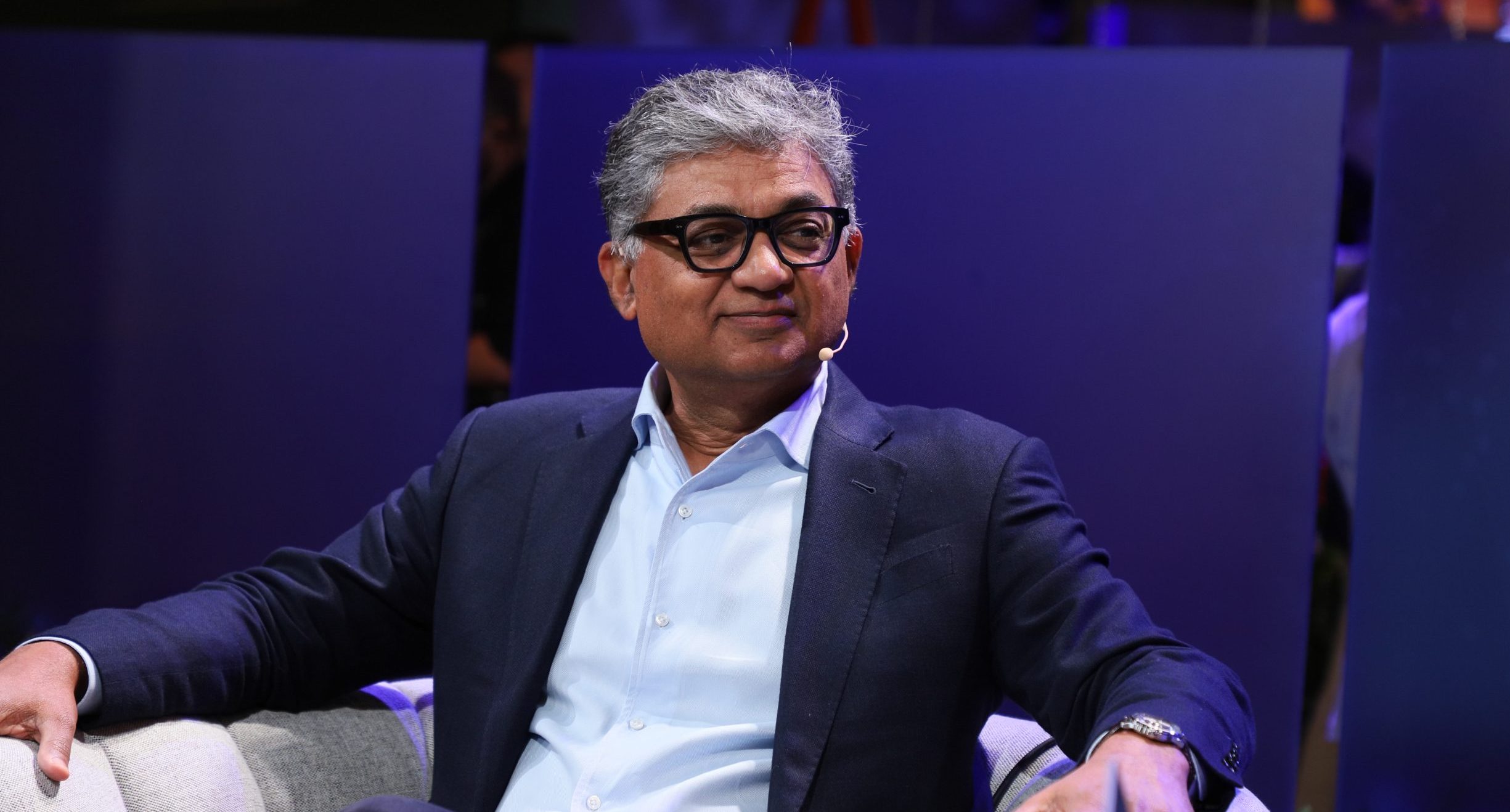
But that shift raises questions about complexity, lock-in and security as AI agents start acting on live transactions. Oracle Corp.’s answer is a converged platform that keeps vectors, graphs, documents and transactions in one engine, according to Hasan Rizvi (pictured), executive vice president of product and research, database engineering, at Oracle.
“If you ask a generic AI assistant, you get a generic answer,” Rizvi said. “If you ask an AI assistant that knows your business, you get a much better answer. Where is the stock? How can I fix the transaction? How can I expedite the delivery?”
Rizvi spoke with theCUBE Research’s Dave Vellante at Oracle AI World, during an exclusive broadcast on theCUBE, SiliconANGLE Media’s livestreaming studio. They discussed database convergence and the safeguards needed for AI agents. (* Disclosure below.)
Convergence over specialized databases
AI lets teams spin up applications and data stores very quickly, making data sprawl everybody’s problem. Skeptics favor specialized databases for each workload, but new data types built inside Oracle’s engine inherit proven availability, security and scale, according to Rizvi.
“We’ve been working on this engine for 40 years, which is highly available, highly secure, highly scalable, highly performant,” Rizvi said. “If you build a new data type or a new workload in the same engine, you get all that benefit, multiple decades’ worth of investment.”
Choice is the other half of the pitch. The database runs on-premises, through Oracle Cloud@Customer and across multiple public clouds, and Oracle used the event to expand Iceberg support in its Autonomous AI Lakehouse, Rizvi noted. But security is where AI raises the stakes most, with Oracle’s Deep Data Security defining access policies in the database itself, so a user’s identity travels with every request from an agent or AI-generated app.
“Before, it took a lot of time and effort to find vulnerabilities to exploit them,” he said. “Now, with AI, it’s made it very easy to reverse engineer fixes for attackers to attack.”
Here’s the complete video interview, part of SiliconANGLE’s and theCUBE’s coverage of Oracle AI World:
(* Disclosure: TheCUBE is a paid media partner for Oracle AI World. Neither Oracle, the sponsor of theCUBE’s event coverage, nor other sponsors have editorial control over content on theCUBE or SiliconANGLE.)
Photo: SiliconANGLE
Support our mission to keep content open and free by engaging with theCUBE community. Join theCUBE’s Alumni Trust Network, where technology leaders connect, share intelligence and create opportunities.
- 15M+ viewers of theCUBE videos, powering conversations across AI, cloud, cybersecurity and more
- 11.4k+ theCUBE alumni — Connect with more than 11,400 tech and business leaders shaping the future through a unique trusted-based network
Founded by tech visionaries John Furrier and Dave Vellante, SiliconANGLE Media has built a dynamic ecosystem of industry-leading digital media brands that reach 15+ million elite tech professionals. Our new proprietary theCUBE AI Video Cloud is breaking ground in audience interaction, leveraging theCUBEai.com neural network to help technology companies make data-driven decisions and stay at the forefront of industry conversations.
oracle-database-pitches-one-engine-to-tame-enterprise-ai-data