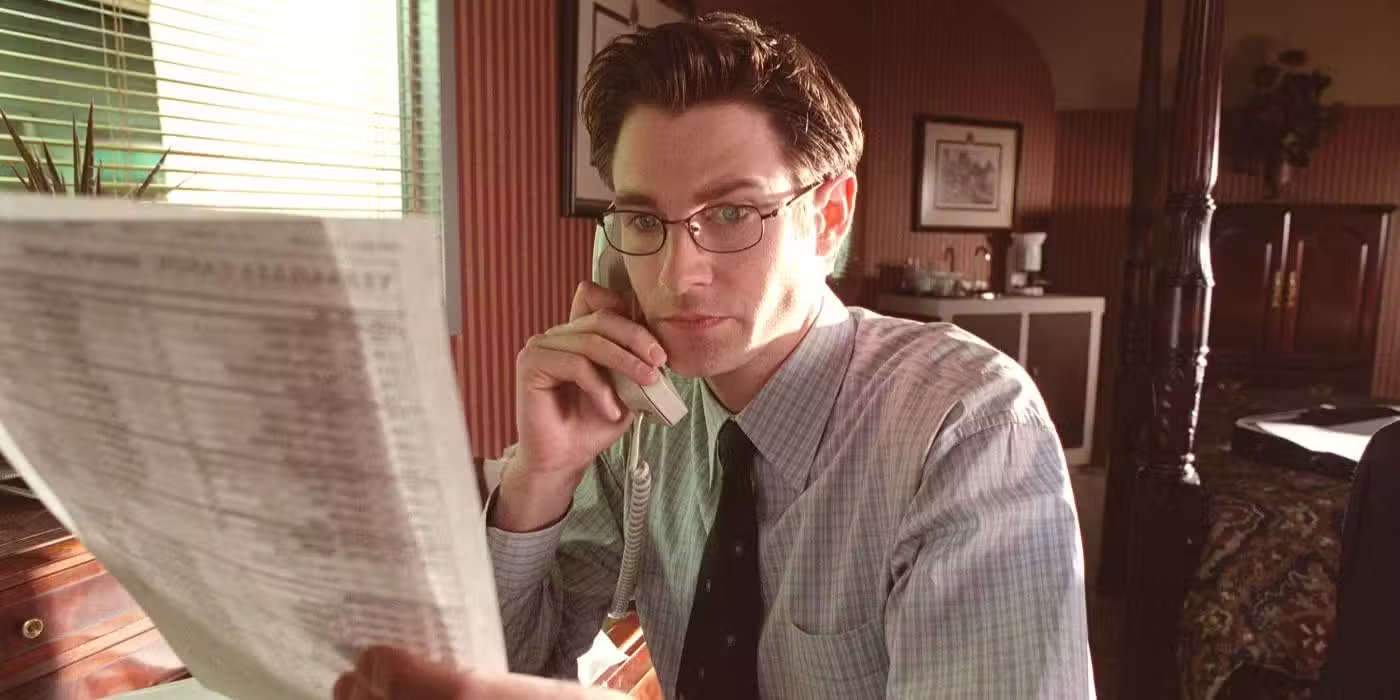
In 2002, Affleck and his producing partner Sean Bailey co-created Push, Nevada, a surreal mystery about a mild-mannered IRS agent who stumbles into a desert town filled with corruption, cryptic clues, and slow-dancing strangers. It sounded like Twin Peaks meets The X-Files — until ABC added one wild twist: Viewers could win a million dollars by solving the mystery themselves. The result was a show too ambitious, too strange, and too ahead of its time to survive more than seven episodes.
Inside ‘Push, Nevada,’ Ben Affleck’s Surreal Mystery Series
Push, Nevada followed Jim Prufrock (Derek Cecil), an accountant who receives a mysterious fax suggesting embezzlement at the Versailles Casino. When he heads to Push — a nowhere town drenched in neon and paranoia — he discovers that its residents haven’t filed a tax return since 1985 and that an ominous company, Watermark LLC, seems to control everything from the police to the local dive bar. Oddballs populated the noir-ish mystery: Scarlett Chorvat’s Mary, a “Slo-dancer” warning Prufrock to get out while he still can; Jon Polito’s corrupt casino boss; and Armand Assante’s slick criminal known only as “Mr. Smooth.”
It looked incredible, with cinematography by Jim Denault, known for Boys Don’t Cry, and a moody palette of reds, golds, and shadows. Critics compared its tone and aesthetic directly to David Lynch’s Twin Peaks — from the quirky characters to the eerie score and slightly stilted dialogue. But while Lynch’s small-town surrealism invited obsession, Push, Nevada asked for something even stranger: participation.
How ‘Push, Nevada’ Became TV’s Strangest Experiment in Audience Participation
-
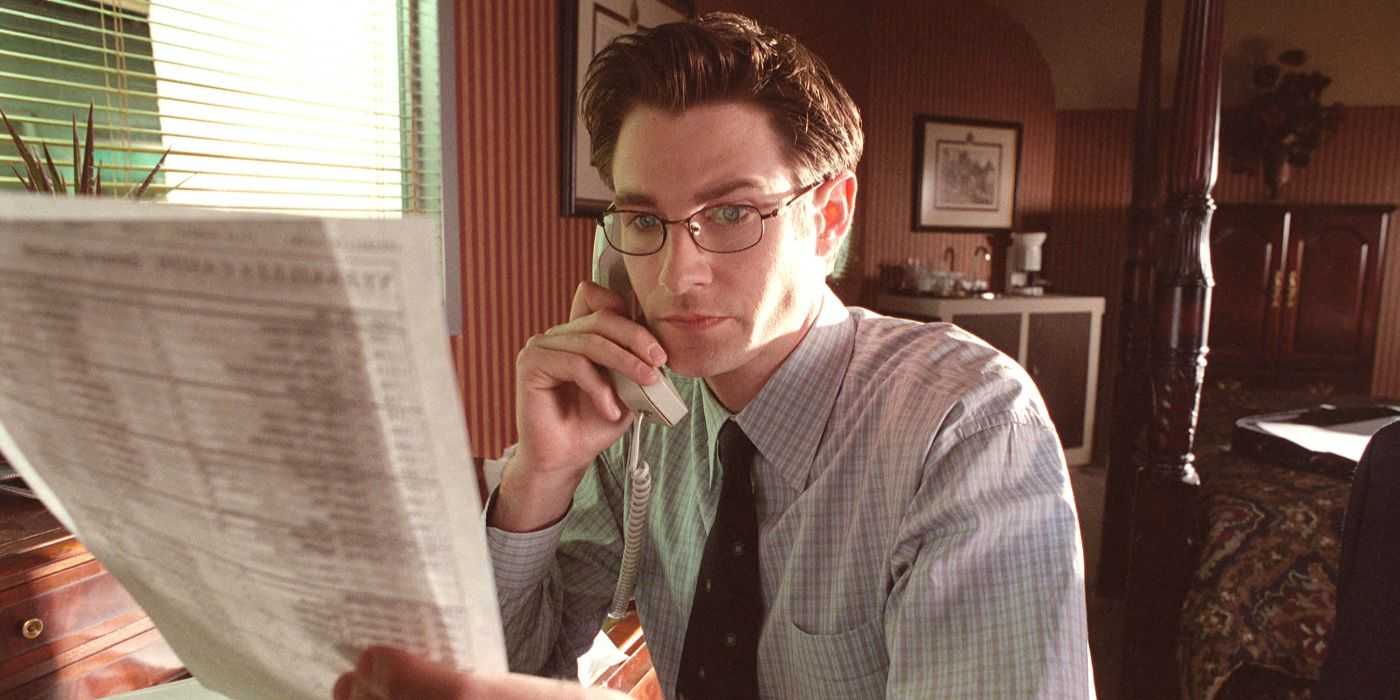 Image via ABC / Courtesy: Everett Collection
-
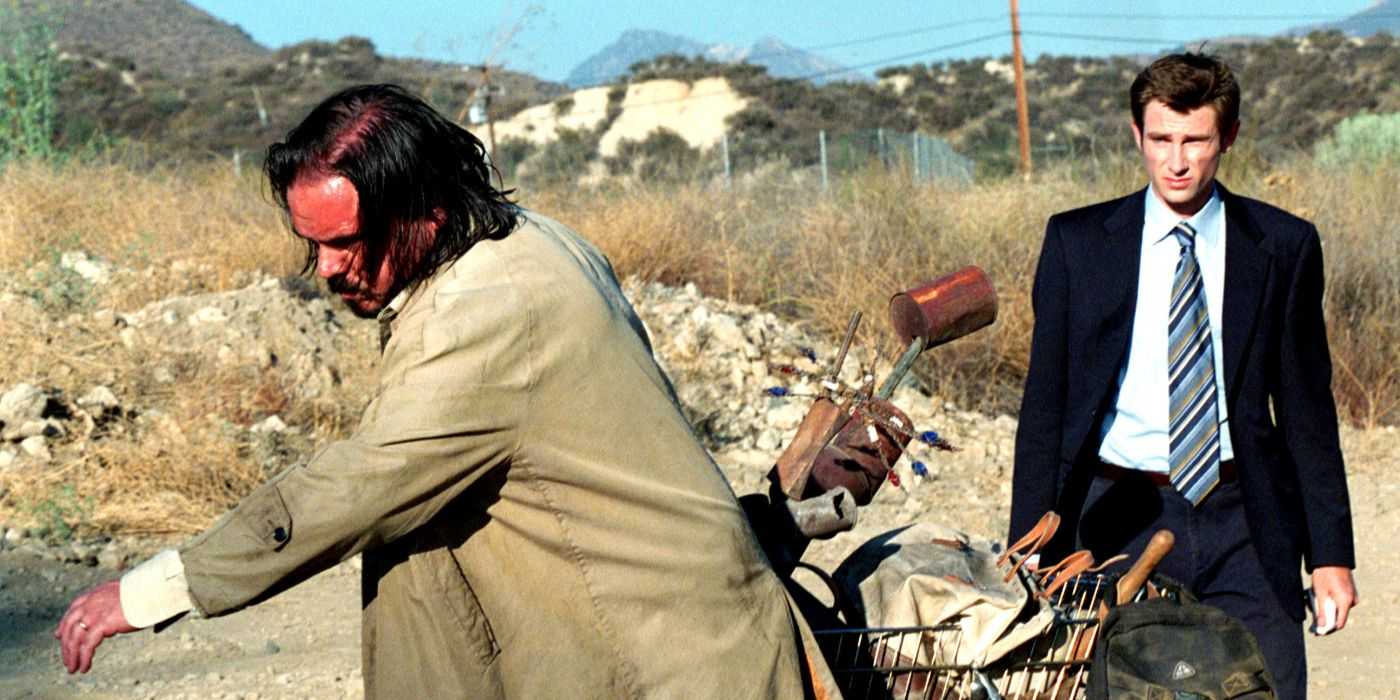 Image via ABC / Courtesy: Everett Collection
-
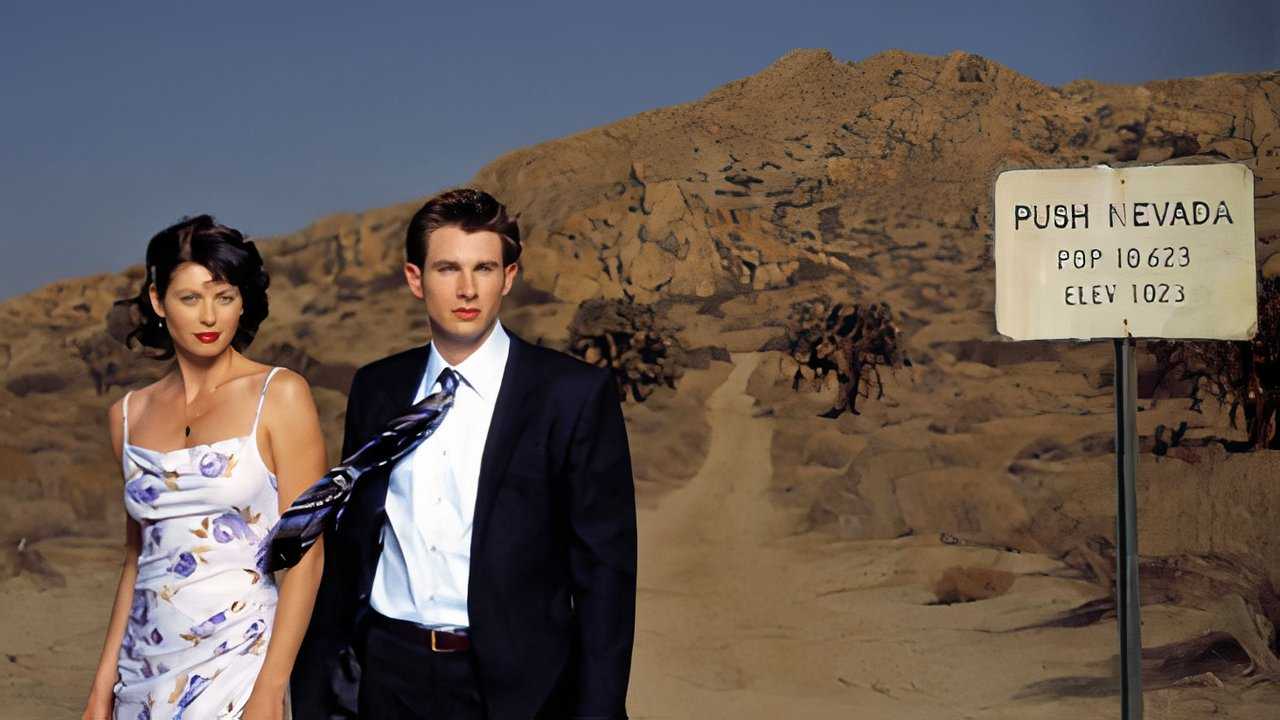
Each episode contained hidden clues — web addresses, code words, even on-screen numbers — leading viewers closer to a real-life prize of $1,045,000. Fans could follow the story across fake websites, emails, and even physical mailers in what producers dubbed “the three-ball theory” of engagement: viewers could wade in, swim, or dive deep. The experiment made Push, Nevada one of the earliest examples of transmedia storytelling on network TV.
Unfortunately, it also made it unwatchable for casual audiences. The mystery was dense, the tone self-serious, and the clues often so obvious (highlighted in red boxes during reruns) that the whole thing felt like homework. Competing against CSI and Will & Grace, Push, Nevada was canceled after seven episodes — though ABC still had to finish the contest legally. The winner, New Jersey native Mark Nakamoto, solved the final puzzle and claimed the million-dollar prize, but the show itself vanished into cult TV history.
Today, Push, Nevada feels like a bizarre artifact from the early 2000s — part prestige mystery, part ARG, part marketing stunt. However, despite its flaws, it accurately predicted how audiences would one day crave deeper, more interactive storytelling through shows, websites, and games.

- Release Date
-
2002 – 2002-00-00
-

Derek Cecil
James A. Prufrock
-

Scarlett Chorvat
Mary Sloman
-
-
forget-twin-peaks-ben-afflecks-forgotten-7-episode-mystery-was-ahead-of-its-time